


Technology is moving so quickly that choosing a PC, planning an upgrade, or following gaming news can feel harder than it should. People searching for tech trends PBoxComputers usually want to know which changes actually matter, not another list of futuristic buzzwords. PBoxComputers describes itself as a technology and gaming information platform covering tech insights, game updates, gadgets, software releases, and how-to guidance. That makes the phrase broader than one product or technology. This guide explains the most useful 2026 developments around AI PCs, graphics, storage, connectivity, Linux gaming, and cloud services, while showing how to judge whether a trend deserves your money or attention.
Tech trends PBoxComputers refers to computing and gaming developments associated with PBoxComputers coverage, including AI-enabled PCs, new GPU features, faster storage, modern networking, Linux gaming, cloud services, and system optimization. The useful approach is to identify which changes improve performance, reliability, compatibility, or everyday value rather than chasing every new release.
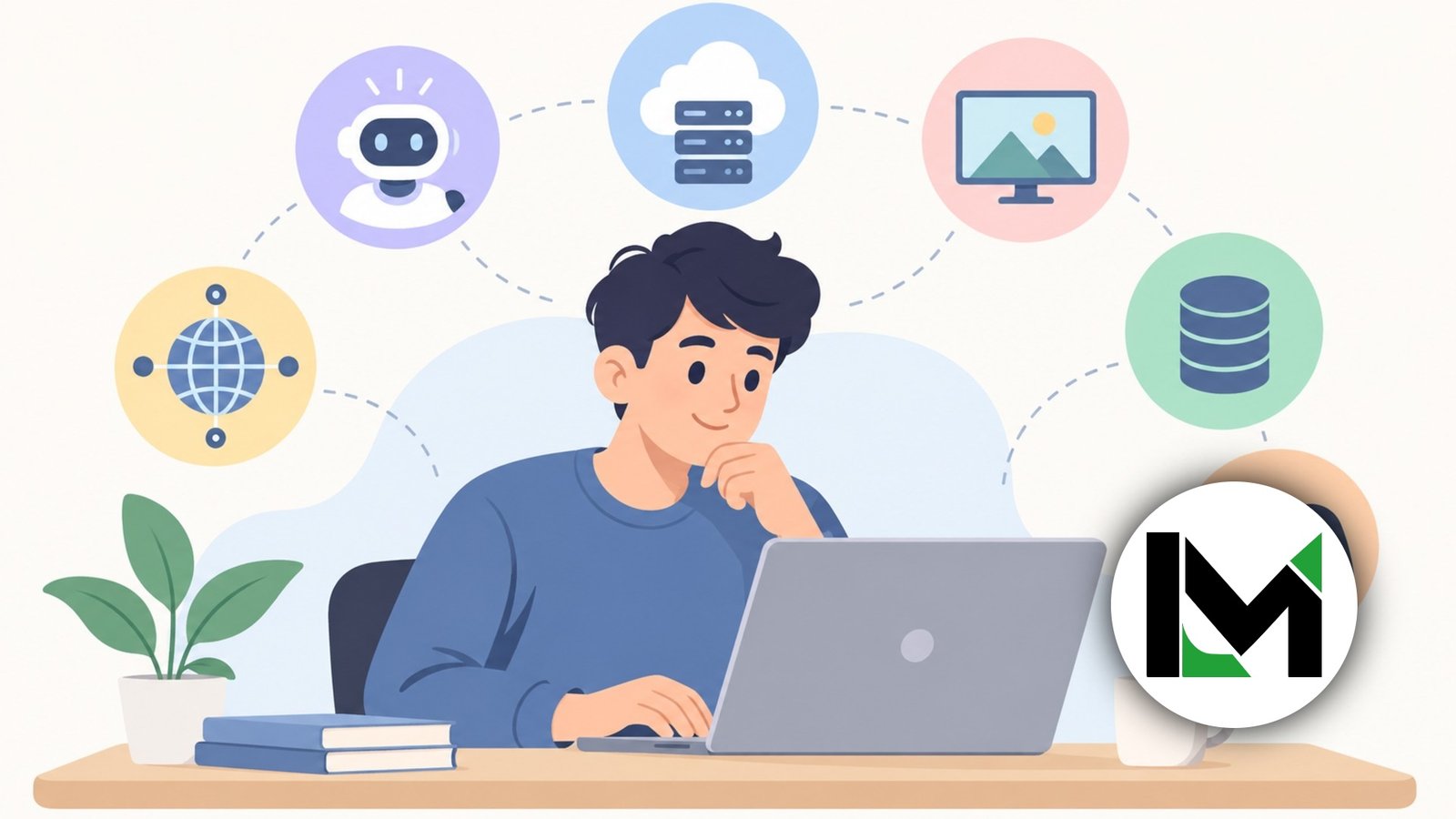
What Tech Trends PBoxComputers Really Means
PBoxComputers positions its site around technology news, gaming updates, releases, and practical guides. Its recent coverage highlights AI-driven graphics, energy-efficient GPUs, cloud gaming, modular hardware, peripherals, and software optimization. That mix explains why the search term attracts gamers as well as general PC users.
Trend coverage should be a starting point, not an automatic buying recommendation. Verify important claims through official specifications, independent benchmarks, compatibility lists, and real-world testing before spending money on an upgrade.
The Biggest PC and Gaming Trends in 2026
AI PCs and On-Device Processing
One major shift is the rise of PCs with dedicated neural processing units, or NPUs. Microsoft describes AI PCs as systems built to run more AI features directly on the device instead of relying entirely on the cloud. For buyers, the key question is whether the software they use can actually benefit from that hardware.
Smarter GPU Rendering
Modern graphics performance increasingly blends hardware power with AI-assisted upscaling, frame generation, ray tracing, and driver optimization. Gamers should compare image quality, frame-time consistency, power draw, VRAM, and support in the games they play rather than relying on one headline FPS result.
Faster Storage and Better Connectivity
PCIe 4.0 SSDs already offer strong everyday performance, while PCIe 5.0 storage targets demanding workloads and high-end builds. The fastest benchmark score may matter more for large file transfers and creation work than ordinary gaming.
Wi-Fi 7 is also becoming relevant. Intel highlights wider 320 MHz channels and Multi-Link Operation as features designed to improve throughput, latency, and reliability. Real gains still depend on a compatible router, client device, network conditions, and internet connection.
Linux Gaming Keeps Growing
Linux remains a minority gaming platform, but its visibility is increasing. Valve’s August 2026 Steam Hardware Survey reported Linux at 3.90% of surveyed Steam systems. Before switching, gamers should still check anti-cheat compatibility, launchers, drivers, controllers, and their specific game library.
Why These Trends Matter to Real Users
A useful technology trend should change a decision. AI hardware may matter to someone running local AI tools. A stronger GPU may matter to a 4K gamer. Wi-Fi 7 may help a busy wireless household, while a reliable PCIe 4.0 SSD can remain more than enough for another user.
That is the practical lesson behind tech trends PBoxComputers: context beats novelty. For example, a 1080p gamer with a weak GPU may gain little from buying the fastest SSD, while a video editor moving huge files every day could benefit far more from faster storage.
How to Use Tech Trends Before Your Next Upgrade
Follow this five-step process before changing hardware or platforms:
- Define the problem. Decide whether you need better FPS, loading, battery life, AI performance, networking, storage, or stability.
- Find the bottleneck. Check CPU, GPU, RAM, storage, temperatures, and network behavior during the workload that feels slow.
- Match the trend to the need. Buy technology that fixes the measured problem, not the newest label.
- Verify compatibility. Check motherboard support, power, drivers, operating-system requirements, and physical dimensions.
- Compare total value. Consider performance, efficiency, warranty, upgrade path, and expected lifespan.
This turns trend coverage into a decision tool instead of a shopping trigger.
PBoxComputers Coverage vs Broader Tech Research
| Source type | Best for | Main limitation |
|---|---|---|
| PBoxComputers-style coverage | Discovering trends and gaming topics | Broad claims may need verification |
| Manufacturer documentation | Specifications and compatibility | Focused on the maker’s products |
| Independent benchmarks | Real-world performance comparisons | Results depend on test methods |
| Community reports | Bugs and long-term experience | Evidence can be anecdotal |
| Platform surveys | Adoption and hardware usage | Samples do not represent everyone |
The strongest research process combines sources. Use PBoxComputers to discover a topic, then confirm purchase-critical details with official documentation and independent testing.
What to Watch Next
The next phase of personal computing will likely be shaped by integration. AI acceleration, graphics, power management, networking, and operating systems increasingly need to work together, so software support can matter as much as raw specifications.
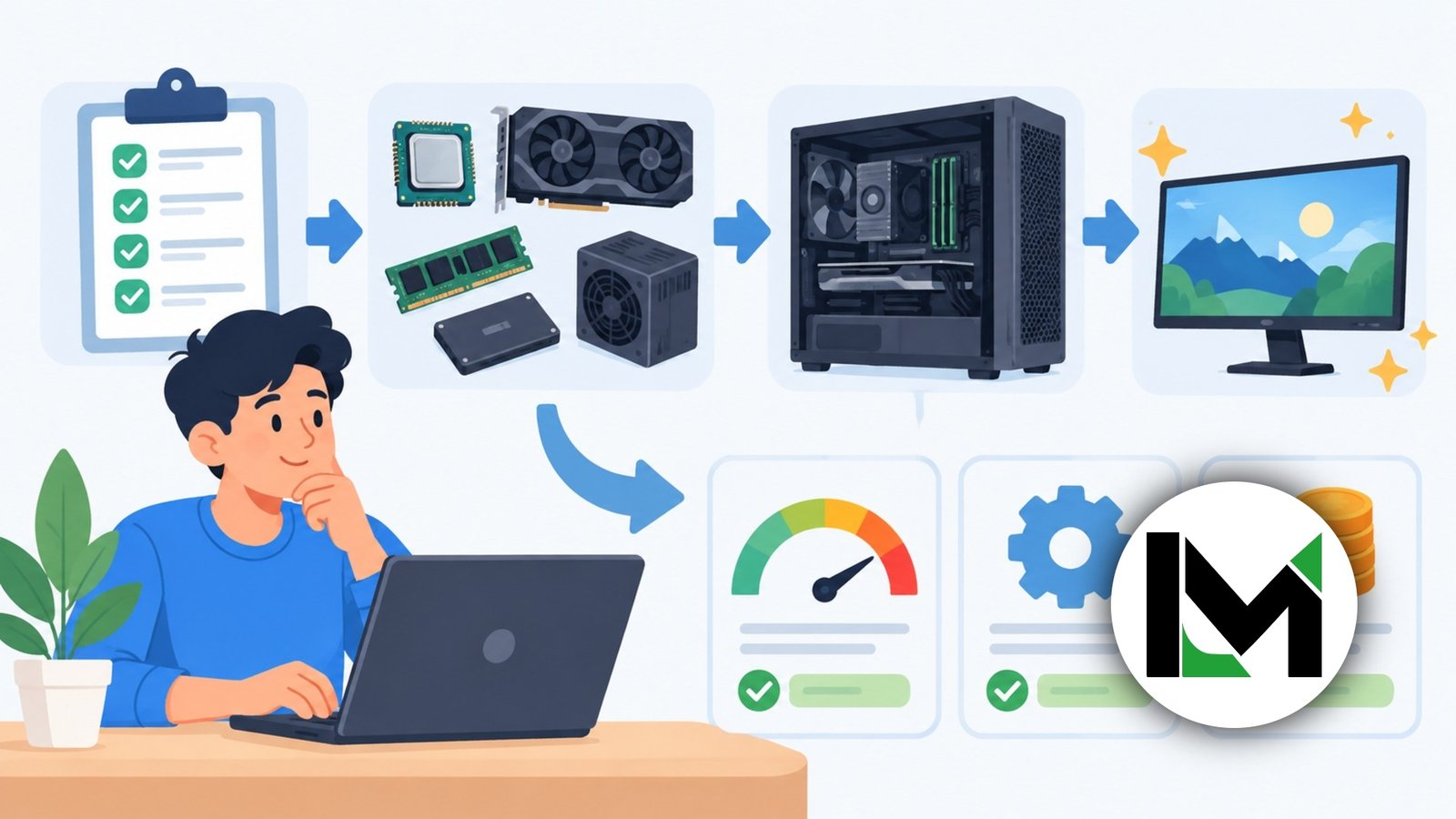
Readers following tech trends PBoxComputers should watch for wider NPU support in everyday apps, more efficient GPU features, stronger Linux compatibility, broader Wi-Fi 7 adoption, and clearer proof that new storage or cloud technologies improve real workflows.
Frequently Asked Questions
What is PBoxComputers?
PBoxComputers presents itself as a technology and gaming information platform. Its site says it covers technology insights, gaming news, upcoming updates, gadgets, software releases, and how-to guides. It is better understood as a content source around computing and gaming topics than as one specific hardware technology or product category.
What tech trends is PBoxComputers currently covering?
Recent PBoxComputers coverage includes AI-driven graphics, energy-efficient GPUs, cloud gaming, hardware optimization, peripherals, modular systems, gaming updates, and software developments. People searching tech trends PBoxComputers are therefore usually looking for a broad view of changes affecting PCs, gaming performance, software, connectivity, and digital experiences.
Does PBoxComputers cover Linux gaming?
Yes. PBoxComputers pages discuss Linux-related gaming, compatibility, optimization, and PlugBoxLinux-linked topics. Linux gaming should still be evaluated title by title because anti-cheat systems, launchers, graphics drivers, mods, and multiplayer services can behave differently from Windows even when the main game itself runs well.
Is PBoxComputers useful for beginners building a PC?
It can help beginners discover topics and understand broad hardware or gaming trends. For an actual build, readers should also check motherboard compatibility, power requirements, manufacturer specifications, case dimensions, and independent benchmarks before ordering components. Those checks reduce the risk of buying parts that perform poorly together or do not fit.
What is the biggest PC technology trend in 2026?
On-device AI is one of the most notable shifts because newer computers increasingly include dedicated hardware for AI workloads. Its real value, however, depends on software support. For gamers, GPU rendering features, driver quality, efficiency, and display performance may still have a more immediate effect on everyday use.
Is Wi-Fi 7 worth upgrading to for gaming?
Wi-Fi 7 can be worthwhile if you have compatible devices, a capable router, fast internet, and a busy wireless environment. Its wider channels and multi-link features can improve throughput and reliability. A stable Ethernet connection, however, remains a strong option when predictable latency and consistency are the highest priorities.
Should I rely on PBoxComputers alone before buying hardware?
No single technology site should be your only source for an expensive purchase. Use PBoxComputers to discover trends and questions, then confirm specifications with manufacturers, compare independent benchmarks, review compatibility documentation, and check recent user reports for practical issues that may not appear in broad trend coverage.
Conclusion
The best way to follow tech trends PBoxComputers is to focus on changes that affect real performance, compatibility, efficiency, or convenience. In 2026, on-device AI, smarter GPU rendering, faster storage, Wi-Fi 7, Linux gaming, and connected software ecosystems are all worth watching, but not every upgrade belongs in every PC. Start with your workload, identify the bottleneck, verify compatibility, and compare real-world results before spending. PBoxComputers can help you discover what is changing, while official documentation and independent testing provide the evidence needed for a confident decision. Use technology trends as a map, not a shopping list, and upgrade only when the change solves a problem you can clearly define.
More From Our Editorial Team: Laraix Magazine